Hiển thị các bài đăng có nhãn Philosophy. Hiển thị tất cả bài đăng

Thứ Ba, 10 tháng 4, 2018

TRANSACTIONAL OR TRANSFORMATIONAL


I’ve spend the last few weeks catching up on my reading — specifically articles I’ve saved off the internet or received via Google Alerts.  Later I’ll blog about my system of reading from these various sources.

However, today I enjoyed reading an outstanding article on Virginia men’s head basketball coach Tony Bennett.  The article was written by Paul Woody of the Richmond Times-Dispatch and discusses the question for coaches of whether they want to be transactional or transformational.  It very well written by Woody and I strongly suggest you click her to read it in its entirety.

Here are some key thoughts from the article:

As Woody starts the article…

A college basketball coach has to make a decision.

Does he want to be transactional or transformative?

A transactional coach tells players what to do and expects them to do it, no questions asked. If they don’t perform as the coach directs, players often are yelled at, belittled and demeaned.

In a perfect world, the transactional method shouldn’t be successful. If you think it’s not, you haven’t been paying attention to the sidelines of college basketball games.
Than Woody takes a look at the transformative method used by Bennett…
If the players buy in, the coach can ask what they’re seeing in games and practices, ask them if what he’s asking them to do is working, and listen if they answer, “No.”

That’s transformative.

“He teaches us off-the-court lessons every day, through basketball and without basketball,” sophomore point guard Ty Jerome said. “On the court, we have our way and do what we do and everyone’s bought in. I think that helps him be a transformative coach. Then he can ask us, and the whole staff, ‘What do you see on that and on this?’

“It’s easier because we’re all so united. That’s a credit to him, to his humility. He could easily be, ‘I have all these wins. We’re going to do it this way.’ ”

Don’t be mistaken. Transformative is not new-age, touchy feely. Bennett coaches 
basketball, a very physical game in a highly competitive league, the ACC. At Virginia, there is no room for negotiation concerning effort, defense, toughness and teamwork. You are fully engaged in all four or you are fully on the bench.

“I come from a unique perspective,” Bennett said. “Yeah, I’m a little more old school. There was a time when you’d come home and things weren’t going well, and it always was your fault. The question was, ‘Why aren’t you listening to the coach?’

“Well, today it can be a little different. I played for my father. I knew beyond a shadow of a doubt he believed in me. He thinks I can be really good, and I can trust him. It’s built in. He’s my dad. I realized that was almost the secret sauce.
Again, I strongly suggest you read the entire article.


Thứ Năm, 22 tháng 3, 2018

GETTING TO US BY SETH DAVIS IS A MUST READ


I don’t take lightly the responsibility of writing a book review — I know how valuable money and time is to us all.  But "Getting To Know Us” by Seth Davis is one of the best books I’ve read in the past several year for our profession.  Davis picks eight outstanding coaches and dedicated a chapter to their journey.  Each chapter alone is worth the price of the book.  We learn from these Hall of Fame coaches the struggles they went through, and in some cases still battle, to maintain a level of excellence.

You will learn that each coach is different in so many ways yet each successful -- which is one of the most important lessons we can learn in doing what we do.

There is insight into coaching, teaching, recruiting, motivating, leadership and overcoming adversity.  You read about the battle to balance your career and your family.  The stories from the coaches themselves, the players that played for them and assistants that worked for them are priceless.

Above all, the title "Getting To Us" implies, we learn the methods and philosophies of how they turn players into teams.

Below I’m listing a short take away from each chapter but I can say strongly enough that this is a book you need to purchase and when you do, break out the red pen or the highlighter.

Urban Meyer

The take away from this chapter was the importance of having a shared vision with everyone involved in your program.  As Tom Herman said:

“The message never deviates with him.  Everybody from the strength staff to the video staff to the equipment staff to academics and nutrition — everybody who toughes the players there at Ohio State gets the same message and the same expectations and the same goals.  I think that’s very rare.”

Tom Izzo

We often talk about the importance of communicating and connecting with our players and it was obviously a huge priority for Coach Izzo.

When Michigan State was building a new office and practice facility for its basketball teams in 2002, Izzo had a novel idea: He wanted his office to have no door. “I thought it would set a tone,” he says. “But I couldn’t do it because of fires codes.

“There were multiple times after a game when I would text him at one or two in the morning.  He would always text me right back,” said Denzel Valentine.  “From day one, he creates a family atmosphere and makes it known that he cares about you as in individual.”


Mike Krzyzewski

As a disciple of Don Meyer, we were taught to plan your week on Sunday and the next day the night before.  It was interesting to read Coach K’s view on this.

Davis wrote: To this day, before he goes to bed each night, he maps out his plan for the next day.

“I think it comes form West Point, where you lay you’re your uniform the night before.  It helps you make effective use of your time. It gets me excited because I’m going to do something I’ve planned to do, what I love to do, and it’s different every day.”


Jim Harbaugh

The very first paragraph of this chapter grabbed me and detailed how competitors want to be in the mix regardless of their role:

Davis writes: He couldn’t take not competing,  It killed him to stand still.  So what if he was a rookie quarterback with a bright future?  He needed to get into the game — now.  So Jim Harbaugh went to his head coach with a strange request: Put me in on special teams so I can cover punts and kickoffs.  “My first reaction was, ‘Are you crazy?” Mike Ditka told me.  “Be he was serious.  He just wanted to contribute."

And Ditka actually used him for a short time on his special teams.


Jim Boeheim

One of the things that Davis brought out about Boeheim was how he handled wins and losses:

“It’s all about losing.  When we win, I’m pretty happy for about an hour, and then I’m thinking about the next game.  When we lose, I’m thinking about that game until we get to the next one.”

Geno Auriemma

In this section, there was a fascinating insight about Geno on self-doubt that helps motivate him to be the best and in turn push his team to greatness.

“I live with self-doubt every day, so I can emphasize with the players I’m coaching,” Auriemma says.  “I know these guys are filled with self-doubt.  How can they not be?  You’re putting yourself out there in front of thousands of people.  You’re being judged and you’re eighteen, nineteen years old.  So you’re thinking, 'Am I good enough to do this?  What happens if I play shitty?'  So this is part of daily life.  I try to tell them, ‘It’s good for you to have self-doubt, because it forces you to look at yourself objectively.”


Doc Rivers

Something profound in this chapter was what his father would always tell him growing up:  “There will be no victims in this house.”

There was also a key portion of this section where Doc talked about what he had learned from Pat Riley including:

“I learned from Riley that the key to coaching is to get a group of players to believe there’s one agenda, and that you have the same agenda as them.  If you can do that, your players are going to do whatever they can for you.”

Brad Stevens

This may have been the best chapter in the book in terms of my take aways.  David detailed how Stevens and his philosophy evolved including a leadership seminar class he took his senior year that introduced him to the philosophy of Robert K. Greenleaf.

“I remember thinking, this makes sense. Do you want to be around somebody who lifts you up, or somebody that breaks you down?  That’s why whenever people ask me what’s your leadership style, my answer is ‘It should be you.’  There’s an authenticity that is needed for leadership.  If it’s not real, then it’s not going to work.”


Dabo Swinney

Dabo’s story is an amazing one — from his walking on at Alabama (he called it “crawling on) to his leaving football in a variety of jobs until finding his way back to the profession.

One good insight to his message is the utilization of repetition in story telling:
Davis wrote: He is a meticulous planner who tells the same stories, uses the same phrases, and harps on the same messages, even if his guys have heard it all a thousand times. 

“That’s something I learned from Coach Stallings,” says Swinney.  “I spent seven years with him, and every year I’d be like, ‘Here comes the Mama Don’t Fret  story.  Here come the Ben Hogan story.’ That’s how he protected his culture.  When you say it enough so your players can repeat it, that’s when you know they’re getting it.”


Thứ Hai, 31 tháng 7, 2017

REGARDLESS OF SKILL & TALENT, ALL PLAYERS CAN DO THESE

This past month has been primarily an evaluation period for those in the college game with two full weeks travelling the country looking for players that best fit our Aggie family.  As someone that cares about the game, observing the competition in the summer can by uplifting or disappointing depending upon the team and players you are watching.  It's a lot of pressure on these young women because they know that a summer performance can often preclude their future options. 

Some players can be found doing too much.  At times players can play with the thought of trying to impress a coach and end up over doing it as opposed to doing what their team needs to do to play better.  Ironically, helping your team play at a higher level is more impressive to college coaches than individual performance.

During the summer, I found myself jotting down a few things that EVERY player could do to be better that had nothing to do with talent.  Things that regardless of their skill level, they could enhance their contribution by focusing on these areas:

1. Shot Fake and Pass Fake
Truly a lost art.  When's the last time you said to yourself, "that player is excellent as shot and pass fakes."  Of course part of the responsibility belongs to us as a coaches -- are we teaching and emphasizing it?  Few things can help an offensive player more than the proper use of a pass fake and a shot fake.

2. Know and Execute the Plays
Sounds a little silly saying "know the plays" but it's amazing to see a player or two who doesn't know where they are supposed to be or what they are supposed to being doing.  Whether is an inbounds plays, a half-court set, a motion entry or anything else structured, take the time to know where you are supposed to be and what you are supposed to be doing.  Next is execution -- doing it when you are supposed to and as well as you can.  This does not take talent but commitment to knowing and understanding your team's playbook.

3. Play Hard
Again, seems like it shouldn't have to be said but it does.  And here is the key to playing hard -- you have to do it all the time...not just when your team's ahead or the play is called for you.  Playing hard means that you are making all your cuts in your offense hard.  It means that you are sprinting to screen.  It means that getting back on defense is a full speed proposition.

4. Have a Team First Attitude
Be the player constantly encouraging their teammates...picking them up both physically and emotionally when the time comes.  Don't be the player with the horrific body language when a teammate turns the ball over as if you were saying "I wouldn't have made that mistake."  If a played does make a mistake, correct it is a positive manner.

5. Understand Shot Selection
Forcing shots does not help your team nor does it impress a college coach.  Know what a good shot is for you -- and yes, your shot selection will vary from those of your teammates.  Don't hunt shots, let the shots find you.

6. Concentrate
As I heard Nick Saban once say, "Wherever your shoes are, be there."  Don't wonder mentally.  Stay focused to the job at hand.  Be a process oriented player.  Don't worry about the past play -- it's over.  Don't worry about a play in the future they may or may not happen.  All you can control is the current possession you are involved with -- give the possession complete concentration.

7. Be a Great Listener
This actually can do a long way to helping with concentration.  In timeouts are you locked in with your eyes and ears.  Does you coach have your complete attention.  There's a free throw situation and your coach or captain is barking out instructions.  Are you actually listening and processing or just hearing -- and there is a difference between listening and hearing.

8. Be in Great Shape
Without doing anything in regard to skill work...without saying anything about your talent level...you can make an impact on your team by being in great physical shape.  When the game is in the fourth quarter or late int he second half and everyone else is starting to drag, this is where you can make a difference.  Not only will you be a step faster because of your conditioning level, but you will be mentally sharper as well.  How many times have we seen a team put on a late run and in large part because of players that are in just better shape that run the floor and past their opponent.

9. Control Your Intangibles
Again, these have nothing to do with skill or talent but they are game changers.  The three areas that players can control (but often choose not to) are: attitude, energy, enthusiasm.  Now I'm not saying it is easy but if you want to make a difference in your team its well work working on.  By controlling your intangibles, I mean you don't let officiating, teammates, opponents, coaches, gym conditions or anything else effect you having a team-first attitude, with high energy and positive enthusiasm.

10. Be an Example
What do your teammates see when they see or think of you?  He or she is always early to the gym.  They stay late.  They are on time for meetings.  They listen to the coach.  They keep their composure.  Off the court they conducting themselves the right way.  They maintain a proper diet to put fuel in the tank.  They are positive talkers -- not criticizing a coach or gossiping about a teammate.

11.  Rebound
Some of the best rebounders are lacking in talent and athleticism -- they board well because of effort and tenacity.  Rebounding is one of the only areas in basketball where it's alright to selfish.  I've coached for over 35 years and have never heard of a coach taking a player out for rebounding too much!

I would imagine some of my coaching friends can add to this list but the key for players to understand is that every player can adopt these principles and it will make them a better player and their team a better team.  There's nothing on here that requires you to jump higher, run faster or have an amazing handle.  Be committed to areas that you can control and work towards being the best you can in those areas.


Thứ Bảy, 15 tháng 7, 2017

Q & A WITH KEVIN EASTMAN

Those that know me or follow our blog know of our great respect for Kevin Eastman and the responsibility he has assumed in helping us become better coaches.  Last year we brought Kevin in to speak to our team and he had an amazing impact on our Aggies.  His message is dynamic and tailored to your team.  I highly recommend you look into bringing Kevin to your campus -- regardless of what sport you coach.

Now Kevin has a new venture -- Elite Training Camp -- designed again to help coaches reach another level.  If you've attended any of the Coaching U Clinics you can only imagine the level of instruction that you will receive at this event.

Yet another example of Kevin looking to help us?  This 30 minute video "Q's for Coach."  I've watched it twice -- taking notes the second time.

Thứ Bảy, 1 tháng 7, 2017

DON MEYER EVERYDAY WISDOM

A few years ago, we had Abby Jump write a guest blog post for us on the lessons she had learned on the recovery process of a seven-month rehab due to a severe injury.  It was an amazing post you can go back and look at here.

She recently reached back out to us and wanted to share her notes from a talk that Coach Don Meyer had gave to her team about eight months before he passed.  They are excellent Abby -- thanks for sharing!

DON MEYER EVERYDAY WISDOM

I was fortunate enough to meet Coach Don Meyer eight months before he passed prior to my junior season at Wright State University. Our team quietly sat for hours listening to Coach Meyer talk about characteristics of great players and teams, things he had learned through winning and losing, and life lessons. Before meeting Coach Meyer, I knew I wanted to be a college basketball coach and I was encouraged to write down everything he had to say. All that came out of his mouth was so golden to me as a player and future coach that I couldn’t move my pen fast enough. I ended up writing seven pages filled of notes and probably could’ve written more if my hand wouldn’t have went numb! To this day, I refer back to these notes daily in helping me become a successful assistant coach, mentor, colleague and friend. I find myself flipping through a composition notebook nearly five years old in times of success, tragedy, stress and when I just have a ‘what would Don Meyer say?’ moment.

I had only one chance to speak to him and wish I could’ve had more because these seven pages have drastically helped me in my life and in my coaching career. Below are some notes I had taken as a young and eager player who dreamed of being as impactful as Don Meyer:

IF YOU AIN’T SERVIN’, YOU AIN’T LEADIN’

Every morning I have a 6-pack. Not what you’re thinking! A 6-pack of goals for the day. It allows me to stay committed and productive.

Process/Product à How you do something is most important

Cause/Self à Successful teams, players, and people put the cause over themselves everyday

There are two types of ENERGY PEOPLE: Energy givers and energy suckers

Have a fox hole list of trustworthy players who you would want beside you in the hole of distress.

Sooner or later TEAM PLAYERS win out

NEVER have to say “I wish I would’ve lived the life I wanted to live instead of the life everybody else wanted to list.”

Your example is not the main thing in influencing others, it is the only thing!
Don’t make decisions because they’re easy, popular or convenient. Make them because they’re right. 
The hardest decision to make is the right one.

Kindness is the language the deaf can hear and the blind can see.

Plan, Prepare, Practice like you lost your last game

Three rules of life:
1. What is your talent that is unique? Find it.
2. Develop that gift to the fullest because people don’t pay for average
3. Give your gift away every day.

Give back, there won’t be a UHaul behind your hearse

Be what you is, because if you aren’t what you are, you ain’t what you is. (He said this was written inside a bathroom stall in Mexico)

Success can knock you to your knees faster than losing – HUMBLENESS

Have adrenaline for your job every day! Some coaches aren’t nearly as affective at the end of their career because they can’t handle the additional stress. They don’t have the energy that they h ad in the beginning of their career.

You have to be sick for coaching – Love every second. You have to love what you do every single day.

You can tell a lot about a person how they treat someone who can’t help them

Be a lifelong learner!


Thứ Sáu, 30 tháng 6, 2017

WHAT BILL BELICHICK LEARNED FROM HIS FATHER

The following came from an ESPN article on the most important lessons learn by Bill Belichick from his father:

"Keep your head down, work hard, keep your mouth shut. Actions speak louder than words. That's basically what he did. Do what you can to help the team. The team is bigger than you."

Thứ Hai, 12 tháng 6, 2017

BEING PART OF A TEAM

About 7 or 8 years ago, while coaching at LSU, I received a great opportunity to leave and join an organization outside of coaching that would allow me to work camps, speak at clinics and do individual training.  The offer was incredibly gracious -- enough for me to deeply consider it.  As it would happened, Coach Don Meyer was staying at my home a few days after I received the offer and as I did in those days, I asked him for his advice.  And I'll never forget what he said.

He told me I would enjoy many parts of the new job -- especially the teaching.  He told me he thought I'd be good at it.  But then he said, "Bob, just make sure you never forget, there's nothing like having a team...being part of a team...growing a team. When you don't have a team there will be a hole in your soul that you won't be able to fill."

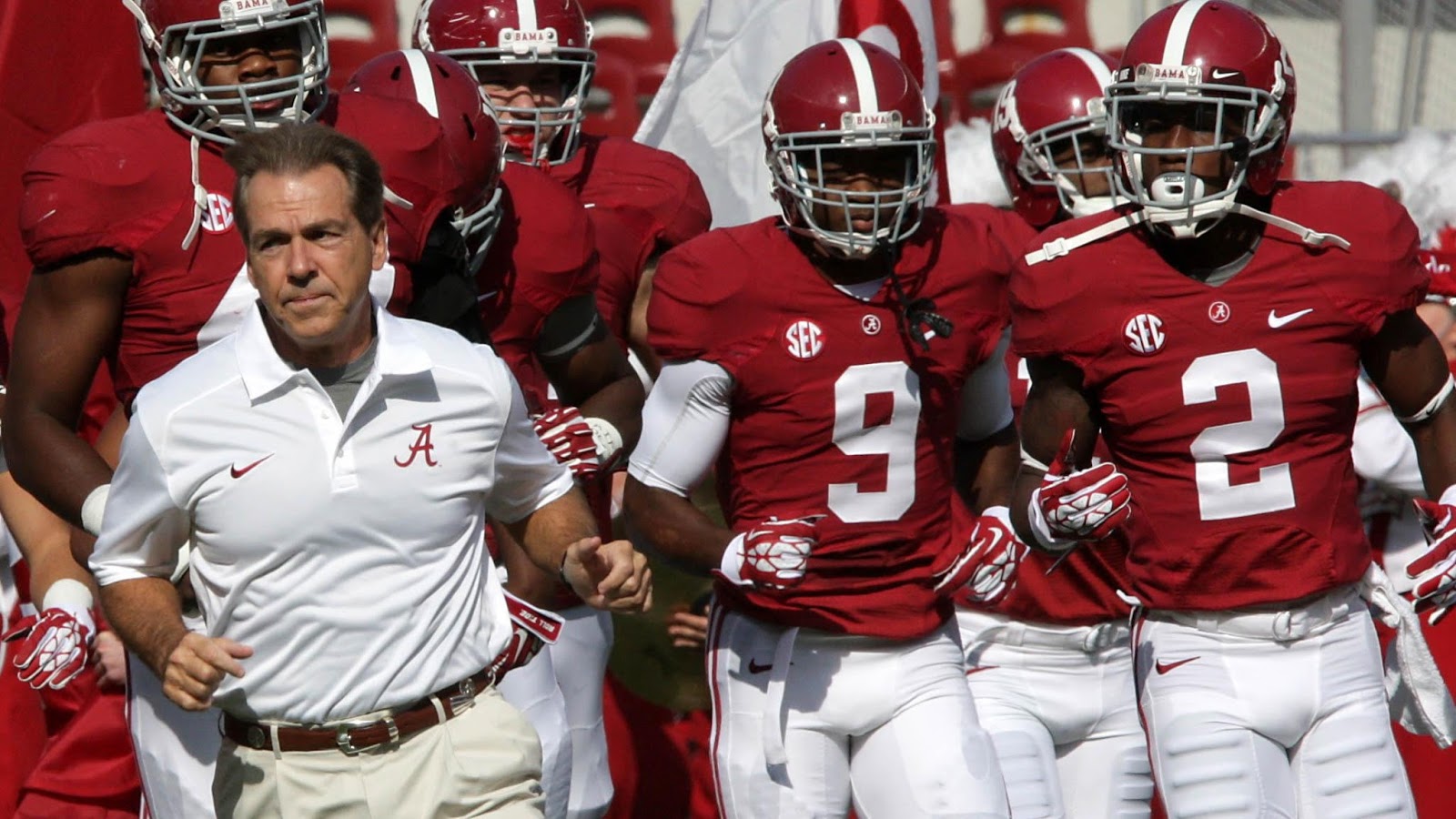
I was thinking about the advice that Coach Meyer gave me when I read an article last week where someone asked Alabama football coach Nick Saban if he was at the point where he considered retirement.

He responded he had not and then said:

"I've said this before: I've been a part of a team since I was nine years old. It scares me to death to figure what it's going to be like when I'm not a part of a team.”

So for those of us that rise this morning as part of a team, let's be thankful.

Thứ Năm, 8 tháng 6, 2017

TIM JANKOVICH CLINIC NOTES

We need to be in the business of being great for kids.

Are you creating a culture you’d want your child to be in?

Yelling and screaming are overrated. Must be a tool and not out of frustration. Don’t act like a coach. Be a coach.

Have gave tons of thought to exactly what you want to stand for.

Treat our players as if they are out family.

Question: “Would I do that to my own child?”

Coaches: Do more biting than barking.

You don’t want your team counting down the days until the season is over.

Coach Jankovich: “The games comes down to how good are my shots compared to yours and can I get more.”

More about who than what.

How do I beat the best 3 teams in my league.

Good action = how are we going to guard that? If I have to ask that question about an action it’s a good one.

Spends time thinking about where the game is going to be 10 years from now.

Thứ Tư, 7 tháng 6, 2017

BUZZ WILLIAMS TABC CLINIC NOTES (Part III)

How do you move up the path?
1. Create a vision
2. Give ownership of that vision way everyday
3. Keep them connected to the vision (hardest thing)
    They have to believe that the vision is what’s best for them.
4. They will have ownership
    If I couldn’t see what works would I be able to hear it at your practice?

What is your language specific to your program?
We are over the top with our terminology being consistent

Coach Williams ask recruits to explain their practice/game to get an idea of their basketball IQ

Only BCS coach without an agent

Has 10 staff members that report directly to him.

Coach Williams is big into researching “I need to score right now plays.”

Reads newspapers of every team on their schedule and certain college football programs where I know the coach.

“Don’t be the coach that says ‘It’s hard to coach this generation of players.’”

Adaption to how you teach...like of maturation not to adapt.

“Teams in the post season that succeed are engaged.”

Must measure to have consequences.

Don’t burn your emotional tank on things that aren’t measured.

Not into destination with relation to our path.


“How do you keep your team engaged?”

Chart: Stop-Scores

When ball is penetrated to baseline something should happen.
   Drift
   Fill (Crack)
   One More (Pro)
   Seal/Space (I Cut)

Coaching is figuring out your why.

Not enough truth tellers.

Which Celtics should be in the running for NBA Awards? (podcast)

The  Boston Celtics  have completed the 2017-18 season with a 55-27 record, good for second place in the Eastern Conference. They wil...